Construction stories
Johnson Controls partners with Nozomi Networks for cybersecurity toolset in its building occupant experience platform, and joins $100m funding round.
Smarter Defects Management launches its PaaS digital system and says it will revolutionise managing defects in the construction industry.
Procore Technologies, the provider of construction management software, has announced the opening of its new Asia-Pacific headquarters in Sydney.
Tenants including EY and Fujitsu are moving into a seismically resilient six-storey building, lifting Wellington’s office supply by 10,049sqm.
A female civil engineer’s 30-year career has been crowned with the inaugural CCNZ Hynds Construction Supreme Award in Auckland.
A four-year push to lift productivity and affordability in New Zealand construction has won close to USD $10.3 million in Endeavour Fund backing.
Mental health pressures are prompting builders to invest in tech and change work practices, with 45% reporting employee wellbeing issues.
A third of the 400 apartments are already occupied as the 59-level Southbank tower opens, signalling stronger demand for rental stock in Melbourne.
A central registry could help builders and councils find trusted product data more easily, cutting costly non-compliance in construction.
Skills shortages, cost pressures and red tape are leaving New Zealand contractors wary as vital infrastructure projects come under strain.
A voluntary new tool will let property groups measure social sustainability impacts across construction projects, precincts and assets.
A Kaikoura fencing sole trader has been ordered to pay NZD $22,500 after a teenage worker lost sight in one eye.
The Microsoft Azure-based asBuilt intelligence hub is helping Kiwi businesses accelerate their building information management potential.
Infrastructure contracts face renewed strain as soaring energy and materials prices push costs well above general inflation, prompting calls to renegotiate terms.
The new Auckland facility could cut New Zealand construction emissions by about 78,000 tonnes of CO2 a year, Holcim says.
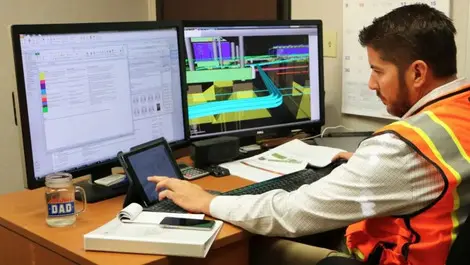
Digital tools are becoming vital as the industry fights a skills shortage and tries to lure younger, tech-savvy workers.
Rework is eroding productivity in New Zealand construction, with firms losing 16% of project time to fixing defects, a Procore report says.
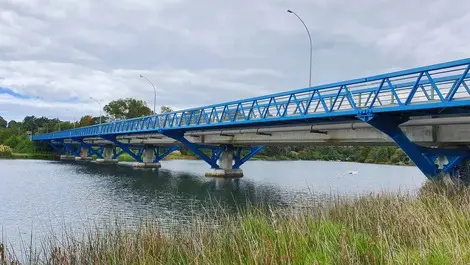
Cyclists and pedestrians can now cross safely after a lightweight steel retrofit won top honours at the SCNZ awards.
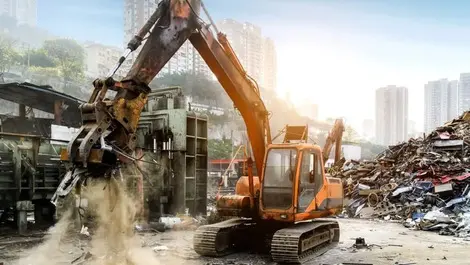
Construction waste is harder to recycle than most rubbish because asbestos and other pollutants must be stripped out first.
A third of construction executives have no plans to adopt augmented reality, despite its potential to cut costs and help draw in younger workers.