Decarbonisation stories
Winter conditions could force transit agencies to size battery-electric bus fleets and chargers far beyond summer needs, McGill found.
The repositioning aims to win over energy-hungry manufacturers and data centres by promising real-time savings without replacing existing systems.
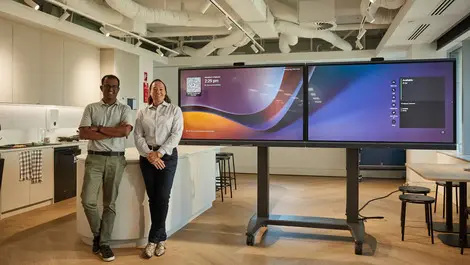
The Perth site can now host up to 50 people in clearer meetings, with the new mobile setup also reducing travel for remote discussions.
Nearly 40% of firms have delayed growth plans as volatile power costs and supply fears squeeze investment across Australia and New Zealand.
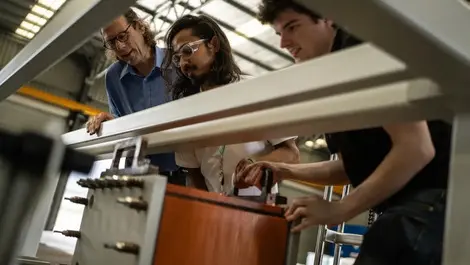
Pilot flow battery systems are set for Australia as Allegro gains manufacturing scale for long-duration storage demanded by grids and data centres.
Profitability improved as the Australian branch widened into New Zealand and Seoul, while first-half group earnings also rose.
The trial offers a step towards lower-carbon aviation, after a modified aero gas turbine completed a full flight cycle powered entirely by hydrogen.
External equity is being sought to fund a 700 MW Philippine renewable pipeline after Kaffee Energy completed its Wayu acquisition.
Growing AI power demand is forcing data centres to curb workloads and shift them to cheaper times as grid strain tightens expansion.
Rising electrification is forcing New Zealand distributors to prioritise grid resilience, data and investment planning as demand outpaces upgrades.
The region's clean power shift is being slowed less by missing kit than by financing and operational hurdles that stall adoption at scale.
A proposed Timberlea station could spur housing and retail growth in Upper Hutt if councillors agree to fund a feasibility study.
Rising demand for reliable grid support and data centre power is drawing private equity into OFS, with Exponent set to back its expansion.
Pressure is mounting on Singapore data centre operators to secure low-carbon power as Equinix adds another solar deal and lifts its local portfolio.
Customers can now cut diesel use and reported emissions on hire fleets, after Stevens Equipment Rental's trial found savings of more than 25%.
Higher module costs are expected to squeeze developers as India races past its annual solar installation record and tightens local sourcing rules.
The proposed 250 MW facility could bring fresh jobs and new renewable generation to Taranaki, but it still needs consent, finance and tenants.
Higher renewable output and the Manawa Energy purchase lifted annual earnings, while Contact Energy eyes new demand from a proposed Taranaki data centre.
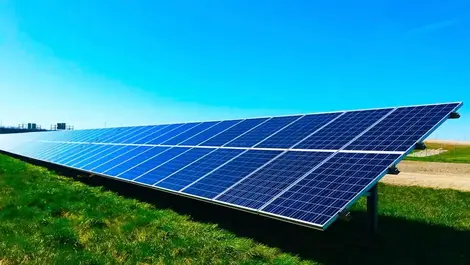
The move should cut electricity bills and emissions, with Oxford Area School among 500 schools to get rooftop panels over three years.
The award could help steelmakers cut fuel use and emissions by replacing hours-long simulations with near real-time software decisions.