National Security stories
Operators in finance, telecoms, energy and transport face mandatory reporting and stronger safeguards as Ottawa tightens oversight of cyber risk.
The deal will boost Arctic surveillance and create thousands of jobs as Canada spends CAD $2.5 billion on new over-the-horizon radar.
The statewide rollout aims to give counties, cities and universities real-time visibility into cyber threats as attacks on public services intensify.
Sovereign AI is becoming vital to mission readiness as Defence Australia builds a connected data ecosystem for faster decisions.
Remote hiring teams face a wider security risk after researchers found North Korean operatives won 76 offers from 166,893 US job applications.
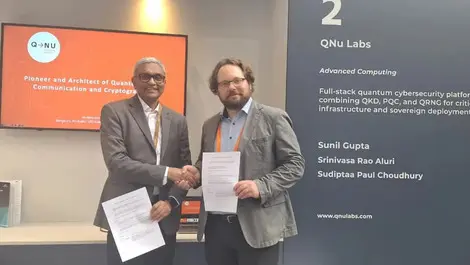
The partnerships aim to help banks and critical infrastructure prepare for quantum-era cyber risks as QNu Labs expands in Europe.
Initial full-wafer graphene runs have brought Archer closer to repeatable qubit production, with a working device still due by Q3 2026.
Managed service providers are under rising pressure from ransomware and nation-state attacks as Blackpoint expands intelligence-led security for partners.
The deal values the Finnish satellite intelligence group at more than EUR 10 billion as governments step up demand for sovereign space systems.
The funding underscores investor demand for AI-focused cybersecurity tools as enterprises face new endpoint risks from human users and agents.
A veteran pipeline for data centre work is set to ease staff shortages as Salute and UHP target more than 10,000 recruits.
Skills shortages are leaving New Zealand firms exposed as AI adoption outpaces cyber and governance expertise across key sectors.
The return of highly significant incidents has renewed pressure on New Zealand organisations to tighten defences after losses jumped to NZD $5.6 million.
The move comes as US agencies shift from planning to implementation of post-quantum cryptography, exposing legacy systems to future quantum attacks.
Britain's tech groups could tap fresh funding and customers as Japan seeks overseas partners in semiconductors, AI and clean energy.
It aims to help critical infrastructure operators keep sensitive security data and AI models inside UK-controlled systems during cyber incidents.
The appointment underscores Red Alpha's push to train workers who can bridge AI, operations and business needs as demand for hybrid talent grows.
Continuous verification is becoming vital as organisations blend biometrics and Zero Trust to stop unauthorised access to buildings and data.
Sydney will coordinate wider APJ growth as demand rises for earlier warning on cyber threats hitting critical infrastructure and finance.
British founders risk losing advanced technologies to overseas backers as support dries up after prototypes are proven.