Personal data stories
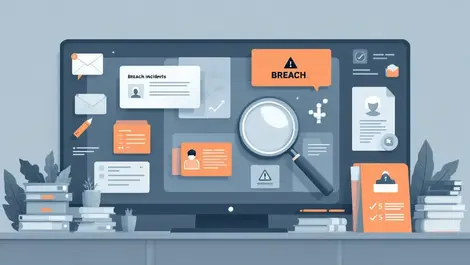
Readers can now inspect breach reports by source, verification and context, as the service avoids inflating record totals into a unique-victim count.
Australian consumers face a higher risk of tailored scams, as stolen contact details can be used to mimic trusted brands after the Origin breach.
The service targets a gap in corporate defences as hackers increasingly use executives' personal devices, homes and families to gain access.
Awareness of the EU-backed identity scheme remains low in France and Germany, with privacy and reliability worries slowing potential adoption.
The 76-person software firm says the move will cut shadow AI risks and save about USD $150,000 a year in governance costs.
Most workers are using AI without approval, leaving Australian boards exposed to privacy breaches and unmanaged data flows.
Legacy systems and slow patching are leaving banks exposed, with financial services hit by more than double the average cyberattacks per device.
Business and public sector organisations faced 2,270 attacks a week in June, as ransomware rose 33% and GenAI use exposed sensitive data.
Australian firms are racing to curb shadow AI use after staff began sharing confidential data with unsanctioned tools.
The beta aims to help users find and revisit photos buried in crowded camera rolls, as privacy questions loom over family image tools.
Poorly checked AI use could leave SMEs exposed to lending errors, fines and loan cancellations, Banjo Loans has warned.
Scammers are exploiting grief-driven sharing with fake death posts that can spread malware, harvest data and build rogue audiences.
Holiday gaming and AI use are exposing more children to data risks, as one in five parents have never discussed online privacy.
Trust remains a hurdle as younger Australians increasingly use AI to research investments, superannuation and retirement planning, a survey shows.
The Hampshire authority gains 24-hour protection for resident data and services without the cost of building its own security centre.
Breaches across New Zealand are increasingly exploiting human trust, with thieves using logins and one-time codes to steal data and funds.
Employers are being urged to make AI literacy and cyber safety core training, as young workers face a tighter labour market and rising online threats.
A survey of 2,000 consumers shows UK retailers face a trust gap, with 43% unwilling to share browsing data or AI histories.
Travel firms are facing more convincing fraud as criminals use genuine booking details to trick customers into paying bogus fees.
Breaches in Singapore and Japan are sharpening scrutiny of identity controls, as regulators eye tougher rules for data centres and cloud firms.