

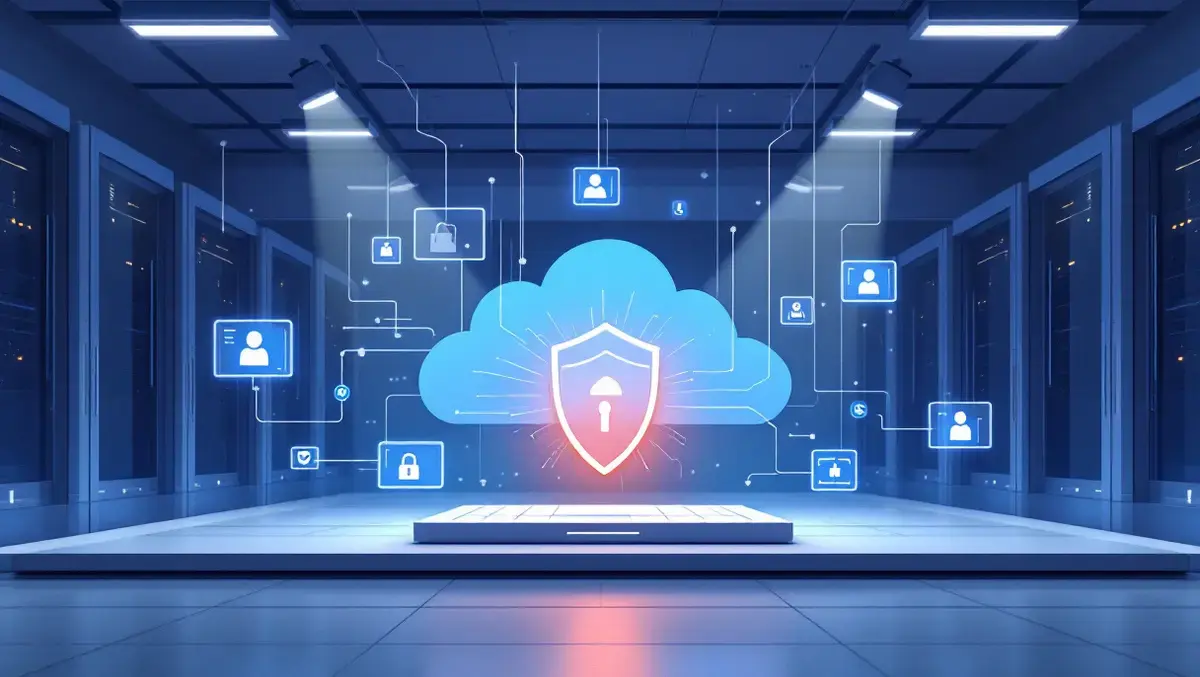
CortexForge launches cybersecurity division for AI controls
Wed, 25th Nov 2026 (Today)
CortexForge has launched a Cybersecurity Division focused on AI access controls in Microsoft environments. The move centres on what it describes as a gap in how organisations govern the permissions of autonomous agents and external developers.
The new unit expands the consultancy's work on client-owned operational systems and governed AI into cybersecurity. It focuses on how organisations set boundaries around what employees, third-party developers and AI agents can access, disclose and execute within enterprise systems.
The division will examine a broad range of controls, including identity, permissions, device management, workflow governance and human authorisation. CortexForge argues that as AI tools move from generating information to taking action across business systems, security teams need to distinguish between access to records and permission to share information or carry out tasks.
That distinction is central to the division's approach. An AI agent may be properly authenticated yet still receive more organisational context than a task requires, or combine data from several approved sources in ways that create new exposure.
One example involves an agent coordinating equipment repair. In that case, the system may need access to equipment details, location and the urgency of the job, but not to every personnel file, incident record or financial document linked to the site.
Task boundaries
The consultancy said its method begins by defining the assignment given to an agent, including which records it needs, which tools it may use, what information it may produce and which actions it may initiate. Separate authorisation is then required for tasks such as purchasing replacement equipment, accessing employee records or sending reports to an external contractor.
CortexForge linked that model to what it calls its Invisible Intelligence framework. The framework sets rules for how AI can summarise, redact, route, notify and escalate information while keeping outputs within organisational boundaries.
It also stressed the need for audit trails. Organisations need a record showing which source material informed an output, where information was sent, what action followed and who approved it, particularly if a summary omits a critical detail or a notification reaches the wrong audience.
Beyond AI agents, the new division also covers controls applied to external developers and vendors building systems for clients. Under CortexForge's model, development takes place within a client's own Microsoft environment, allowing the client to determine which accounts a vendor receives, which systems they can access and what they are permitted to read, configure or change.
Those permissions can be limited to the needs of a specific engagement and removed by the client's IT team when the work ends. CortexForge added that appropriate logging and auditing should be in place so organisations can review development activity, permission changes and system modifications.
"Identity and permissions have always been the backbone of enterprise security. By governing access directly inside Microsoft environments, organizations keep complete visibility and control over both the systems being built and the data moving through them," said Maverick Tarasoff, President, CortexForge.
Microsoft stack
The division's public guidance is also intended to help organisations understand the layers they will need to govern once a system is in daily use. CortexForge pointed to Microsoft technologies including Dataverse for operational records, Entra for identity and access, Intune for device and application management, Copilot Studio for agents and Power Automate for workflows.
According to the company, those layers address different operational questions. An application may determine which records an employee can see, while device policies govern the conditions under which that worker can connect. An agent may retrieve approved information, while a separate workflow may decide whether a resulting action requires human authorisation.
CortexForge said this understanding matters before development access is granted. Leaders and IT teams should decide who will own the application, authorise connections, approve permissions, review activity and maintain the environment after delivery.
The launch comes as businesses weigh how far AI agents should be able to move across enterprise systems without increasing internal security risks. The issue is likely to be especially relevant for organisations deploying Microsoft-based workflow, data and identity tools as part of broader automation projects.
"Technology only protects an organization when the people inside it feel equipped to own it. Giving teams clear visibility into their workflows and permissions turns governance from a technical hurdle into everyday confidence," said Shayla Tarasoff, Vice President, CortexForge.