

Zoho Canada expands vertical approach in municipal government
Thu, 8th Oct 2026 (Today)
Zoho Canada is taking a vertical approach to connect municipalities' data infrastructure together.
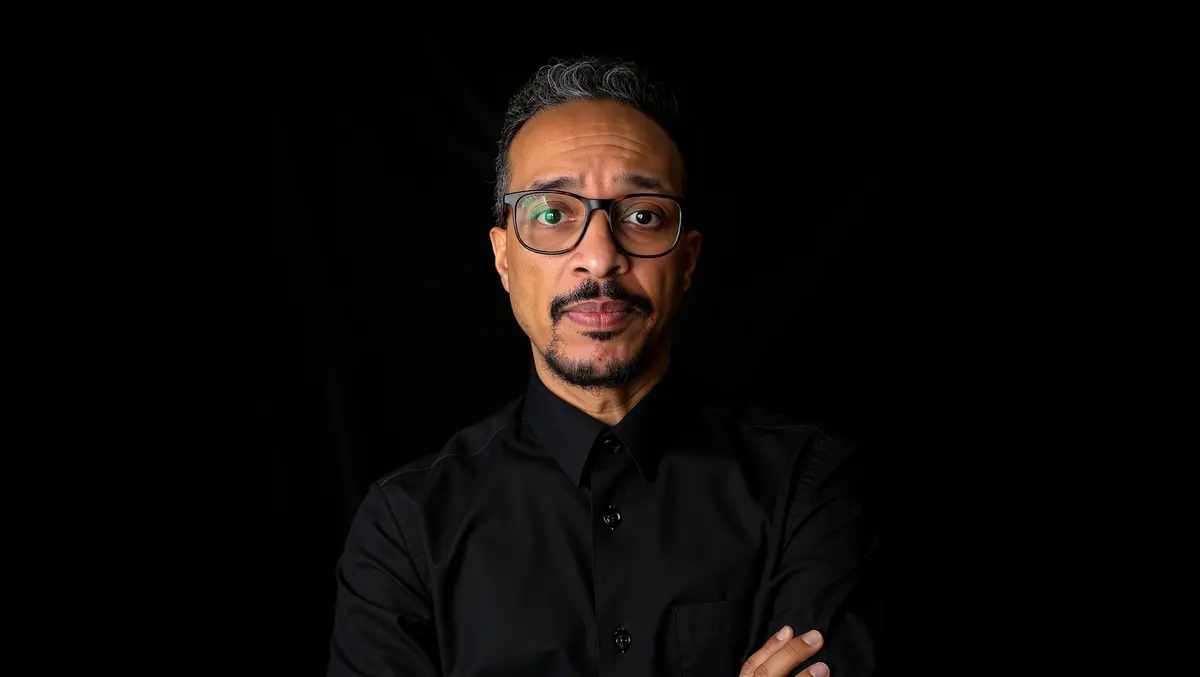
Gary Yorke, Zoho Canada's Public Sector Executive Director, leads the company's go-to-market strategy across municipal, provincial and federal governments. While municipalities recognise AI is here to stay, Yorke said concerns about privacy and security, along with fragmented infrastructure, continue to hold them back.
Yorke joined Zoho this year after serving as Executive Director, Customer Experience, for the City of Toronto. In that role, Yorke oversaw the municipal 311 information line. Playing into Zoho's integrations at the municipal level, Yorke said the company is building a 311 process and platform around the experience, covering the residents' and the agents' perspectives and governance oversight of the information generated by service requests.
"That means having an understanding of the business experiences, understanding the resident experience, understanding how the agents actually interact, and most importantly, having governance oversight of all the information intelligence that happens with these service requests," said Yorke.
Of the three levels of government, municipalities are the closest to the people they serve, he said, and they are transforming how they deliver services rather than changing systems.
In a shared model, Yorke said, a resident contacts the city once, the right division sees the appropriate information and handoffs, and the outcome of the request is recorded alongside trends across divisions.
"Customer service is saying, 'Okay, we've answered the phone in 50 seconds, so we must be doing a great job.' Customer experience is understanding why they've called in the first place and try to change the processes and systems in place to make sure they don't have to call back again," said Yorke. "So I think AI allows cities to actually move into this thing called connected cities, which is really the impetus around where I think cities are starting to go in the municipal levels."
He said gains come from refining processes rather than automating them as they stand. Zoho's Municipal Experience Framework aims to help governments modify and modernise their processes to leverage the platform instead of accepting them as-is.
Yorke added that division is also a challenge: cities are fragmented by design, with each division owning part of the resident experience.
Yorke said much privacy legislation, such as Ontario's MFIPPA and FIPPA, requires information to be kept secure and sometimes separate. But even with those protective systems in place, separate systems can still link at a foundational level to speed up business processes.
"Fragmentation is going to happen either way within the government. The issue is you need to have fragmentation for privacy and security," said Yorke. "I like to use the analogy of a hand. You have the fingers; each division can be different systems, but the hand is connected. It's a holistic approach. That Zoho directory and that data infrastructure pulls everything together."
Yorke said the approach does not require a single supplier. A municipality could keep a different customer relationship management system or AI product in one division, he said, whether the systems are older, modern, or from Zoho's competitors, as long as they connect to the company's Directory.
A Zoho-published case study in Huron County shows that implementing nine Zoho apps across its operations helped process 50 funding applications through automated workflows, improve reporting and KPI visibility, and provide a stronger basis for future automated analytics and decision-making. Zoho serves as the central operating platform for business-facing services in the county's Economic Development Department.
Previously, the process started as a PDF, moved into a spreadsheet, followed up via email, and relied on manual reporting; Zoho Form changed that by turning it into a CRM Record with automated workflows and continuous reporting.
He described two capabilities: a business capability, how a municipality connects its systems, and a technological capability, how the technology enables that connection. He said Zoho wants to act as a strategic partner on both, working with municipalities to set the strategy and build the infrastructure.
"Unified government connected cities doesn't mean one technology. It means what technology will help you enable that outcome and create this augmented intelligent layer that actually looks at servicing the rest a bit more effectively."