Access Control stories
The tie-up lets security teams remove standing privileges from ServiceNow workflows while keeping fast access for staff who need it.
Resilience-minded organisations are turning to compact edge systems to keep critical services running if cyberattacks, outages or floods hit.
Boards are being warned that AI, identity and software supply chain gaps are outpacing controls, leaving organisations more exposed to fast-moving attacks.
It aims to cut delays and keep access approvals inside audited tickets, instead of forcing IT teams to move between separate systems.
The approval widens Gallagher Security's access-control options for government, defence and utilities customers needing NPSA-recognised hardware.
Shadow AI is driving higher breach and compliance risks, with exposed firms incurring around $670,000 more in data-breach costs.
The free upgrade should let cloud administrators tighten access controls and fix blocked traffic faster across larger Google Cloud estates.
The launch aims to help firms curb AI-driven exposure of sensitive information by linking data discovery, analytics and protection in one tool.
Three-quarters of AI assistant use was unsanctioned, underscoring why enterprises are turning to tighter controls as adoption jumps nearly 1,000% year on year.
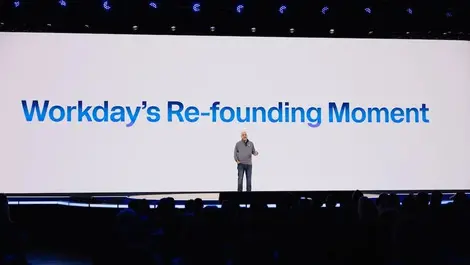
Its AI-first overhaul has cut layers, sped product cycles and left the company betting that startup-style speed can still serve Fortune 500 customers.
Enterprises under pressure from alert overload may gain faster incident as the platform ties AI recommendations to strict human approvals and audit trails.
The tool is designed to cut outage risk and compliance headaches by letting operators automate routine tasks while approving only higher-risk actions.
Most enterprises still lack controls for AI agents, with SailPoint's survey finding only 2% have tools to govern them.
New controls aim to keep sensitive data usable in AI systems while reducing re-identification risk and improving recovery after outages or attacks.
Enterprises struggling to move AI projects into production can now get CTERA engineers embedded with their teams to prepare data and build workflows safely.
Interoperability gaps in coalition networks can leave classified data inconsistently handled, and Janusnet says Accord is designed to fix that.
A months-long detection gap has exposed how AI agents and other non-human identities can reach sensitive systems before anyone notices.
Customers can now start building AI agents from USD $50 a month, as DigitalOcean bundles runtime, tools and storage into fixed plans.
It gives IT teams a single policy layer to monitor unsanctioned AI use and approve high-risk changes before they are made.
A cyber breach can now distort ad spend, customer data and campaign performance if businesses fail to lock down marketing systems.