Computer vision stories
Photoshop users will be able to edit images more precisely as Adobe adds prompt-based tools that preserve layers, masks and brand assets.
The system could boost robot training data supply and create paid shifts for Indian workers in kitchens, warehouses and hotels.
The change comes as the warehouse robotics firm expands deployments and secures USD $20 million more to speed product growth and hiring.
More city contracts in North America and Australia helped lift recurring sales and cash flow, with usage revenue rising 35% over the year.
The startup aims to spare creators and AI agents from downloading large files before work can begin, after a pre-seed round led by a16z Speedrun.
The deal could open a new industrial revenue stream as the group tests whether its human-monitoring technology works in factory robotics.
Indian buyers can now reserve XREAL AURA glasses for a capped final price of INR 1,45,000 plus GST, with INR 9,999 credit upfront.
Property insurers and planners are tapping recurring aerial captures as Nearmap turns 20 years of imagery into AI-driven property data.
Nearmap's archive now helps insurers, planners and scientists assess property risk and environmental change across Australia.
Businesses and workers can be paid to capture robot-training data in live workplaces, as the system targets India's growing physical AI market.
Australian households will get wider access to connected yard, pool and pet devices as the brand expands beyond indoor floor cleaning.
Existing cameras at a remote Côte d'Ivoire healthcare project cut PPE breaches by 41.7% and danger-zone violations by 46.3% in three months.
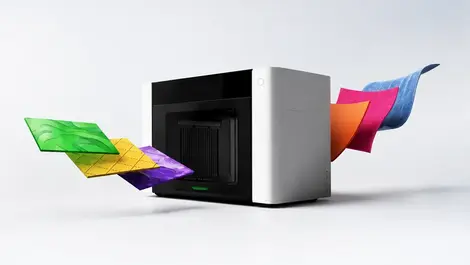
Small businesses could cut equipment costs as xTool's desktop O1 combines four print methods in one machine, with Australian pre-orders now open.
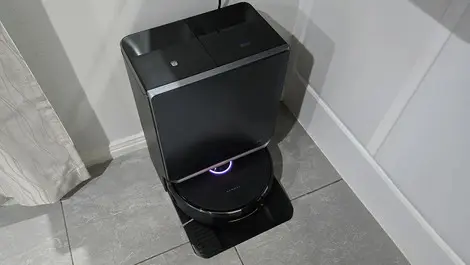
A strong choice for hard floors, the robot struggles on thick carpet, limiting its appeal in homes that need full-room coverage.
Public safety and emergency teams could get longer overwatch and delivery missions as gas-powered drones stay airborne for more than 150 minutes.
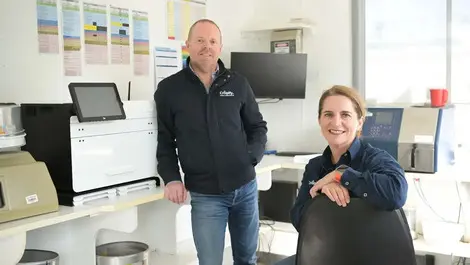
Endorsement from grain traders could speed adoption of AI grading as pulse growers face faster, more consistent assessments this harvest.
Security teams can now spot blurred passports and licences at scale, as the new feature classifies sensitive files by visual cues alone.
The frozen food chain says fewer false alarms and faster staff alerts are helping protect customers, after theft losses fell 80% in pilot stores.
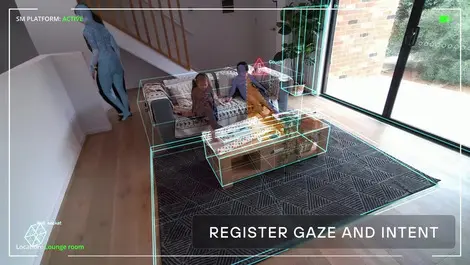
The move puts the Australian company's human-sensing expertise into factories and hospitals, where robots must work safely beside people.
Warehouses in Australia and New Zealand can now verify picks in real time as Kardex adds weight-based checking to AutoStore ports.
















.webp)