Construction stories
The COVID-19 pandemic has heightened risk for the construction industry, making software solutions crucial for reducing disputes.
BuildAi has secured $1.9 million in its latest seed funding round as the industry scrambles to find viable solutions to adapt to COVID-19 lockdowns.
Bentley Systems software has revolutionized the engineering, procurement, and construction industry, enabling greater efficiency and remote collaboration.
Technology could cut waste and carbon emissions in construction as firms tackle delays, labour shortages and rising budget blowouts.
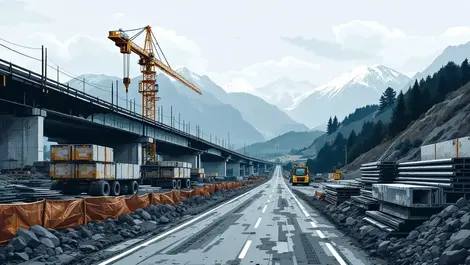
Delays and higher costs are looming for major infrastructure works as New Zealand struggles to secure enough gravel, timber, cement and steel.
Delays and cost pressures are looming for major works as New Zealand struggles to secure key construction materials, a new study finds.
New Otago University research shows New Zealand’s construction workers face more than twice the suicide risk of the wider workforce.
A Dunedin office project will trial real-time BIM safety tools as construction firms seek to curb a sector that drives 16% of ACC work claims.
Industry leaders say the draft 30-year plan could give New Zealand clearer funding, planning and delivery for vital infrastructure.
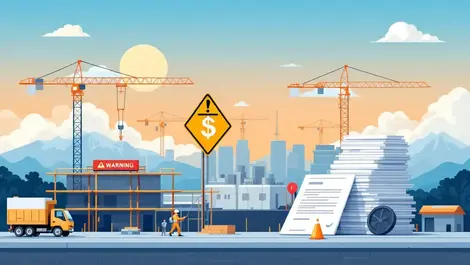
Payment disputes and tougher retention rules are pushing construction firms towards digital tools to avoid fines and delays.
Kiwi architects and builders could gain work as the island's new runway opens direct flights, boosting trade and tourism links.
Wider definitions of retention money could expose principals, head contractors and directors to fines of up to NZD $200,000 under the bill.
Construction managers could gain real-time alerts and a full-site view as five firms trial AI tools to curb incidents and injuries.
Poor maintenance is costing firms billions through outages, water failures and transport disruptions, the G20 says in a new policy agenda.
Construction firms in Auckland face a 57% drop in jobs created as lockdowns, border closures and supply shocks squeeze margins.
Victorian builders now face a two-week work halt after a vaccine protest turned violent and police made arrests in Melbourne.
Clear, up-to-date Covid-19 protocols have helped construction firms keep working safely through Alert Level changes, industry leaders say.
Homeowners face higher rebuild insurance bills as labour and materials shortages pushed residential construction costs up 2.2% in June.
Record spending is exposing poor productivity, rising insolvencies and risk in Australia’s construction sector, industry leaders warn.
MYOB and Procore Technologies have launched an integrated platform for construction firms, offering comprehensive project management and financial solutions.