Intellectual property stories
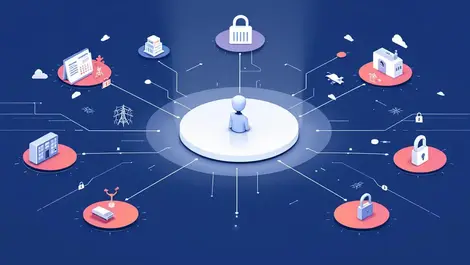
The proposed framework aims to stop unauthorised AI actions in finance and critical infrastructure, where a revoked permission could still be used.
Hardware patents for artificial intelligence at the European Patent Office were allowed in eight in 10 closed cases, outpacing AI overall.
Auckland retailer Huski has spent hundreds of thousands on a trade mark fight, prompting a separate brand as it expands in the UK.
Healthcare organisations are struggling to spot unauthorised AI use, with half saying they have confirmed or suspect staff linked unapproved tools to core systems.
The dispute has pushed Huski to create a separate coffee brand after years of legal costs, with annual revenue now nearing AUD $35 million.
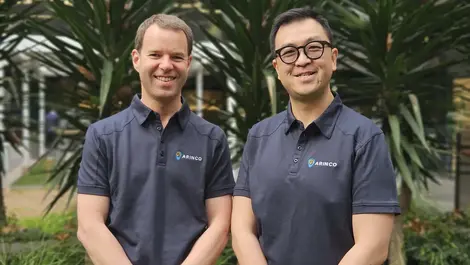
Customers are demanding faster returns from existing budgets, as Arinco says AI-assisted delivery will underpin at least 70% of engagements within a year.
Rights holders could gain new revenue as licensed AI datasets and agentic systems reshape music discovery, adaptation and disclosure rules.
Asset-light businesses often end up using homes as security, because lenders cannot repossess software licences, subscriptions or services.
As AI note-taking spreads, employers risk exposing confidential talks unless they set clear rules on consent, access, storage and deletion.
Deep tech teams can now capture inventions and review patent drafts in ChatGPT and Claude, with no extra charge on Lightbringer's Starter plan.
Boards are struggling to keep pace as 59% of legal leaders say AI adoption is outstripping governance, the survey found.
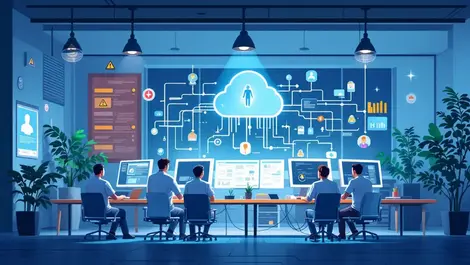
Nearly half of security leaders have seen sensitive data exposed via AI tools, with most incidents linked to company-approved services, a survey found.
Security teams can now spot suspicious repository activity and restore only malicious changes in GitHub and Azure DevOps after identity-based attacks.
Creators could gain new protections from commercial AI style copying as Adobe lobbies regulators in several countries for clearer licensing rules.
Brussels' new AI labelling rules are already being undermined, leaving businesses unable to rely on watermarks to prove an image's origin or accuracy.
More than half of surveyed Irish service firms have already seen an AI-related incident or near miss, underscoring governance gaps as usage becomes routine.
The project could make it cheaper to spot emerging deep-tech clusters outside London, where half of the UK's innovation now takes place.
The clean technology group's fall leaves patents, software and customer data on the block after overseas contract disruption hit revenue.
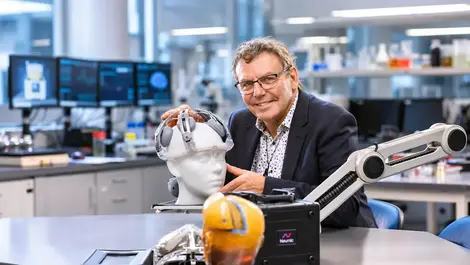
Backed by two decades of University of Otago research, the startup aims to turn preclinical ultrasound science into a wearable brain treatment device and first human trial by 2028.
Nearly six in 10 legal leaders say boards lack the controls to keep pace with AI, as 41% report no basic governance framework yet.