Workforce development stories
The combined business aims to widen access to tech jobs by training candidates without traditional qualifications for employers in fast-growing fields.
Manufacturers can now spot skills gaps and cover absences faster as Vector's new software tracks validated workforce readiness in real time.
Businesses could soon see gains from quantum computing, with Fujitsu saying utility-scale systems may arrive within five years and 5% route savings already found.
More than 100 students are tackling real-world scam and fraud scenarios as Queensland faces the highest share of Australia's cybercrime reports.
Many firms are letting skill gaps hit delivery, with managers saying work is often handed to staff who cannot do it and AI adding oversight burdens.
The deal gives new cybersecurity graduates access to mentoring and job leads across Canada and Europe as employers struggle to fill skills gaps.
Unexpected AI and infrastructure bills are forcing UK firms to divert money from hiring and investment, with overspend put at GBP £3.8 billion a year.
Most students already use AI weekly, prompting four Australian universities to broaden access while tightening rules on assessed work.
The governance shift gives New Zealand infrastructure employers direct influence over training as persistent skills shortages bite across key sectors.
As AI and economic insecurity reshape work, academyEX says adult education can boost confidence, resilience and adaptability at every age.
Existing subscribers will gain access to more than 100 courses on AI, cybersecurity and workplace skills as employers race to close training gaps.
Small employers say they still face the bulk of recruitment and mentoring costs, even after Budget measures aimed at easing apprenticeships and graduate hiring.
Only 9% of Singapore chief executives have clear real-time visibility on AI returns, despite productivity gains and heavy investment.
Broad access to approved tools has helped the insurer drive adoption, with more than 82% of colleagues using generative AI by September 2026.
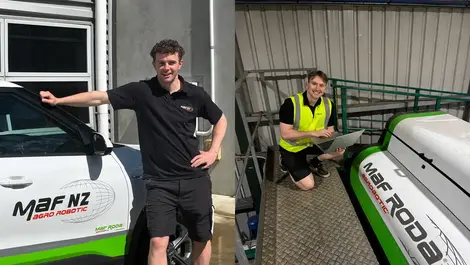
A shortage of visible pathways is pushing mechatronics graduates into horticulture automation jobs that are reshaping New Zealand's post-harvest sector.
The partnership is set to widen AI video analytics use in public safety and create a university training pipeline as demand for monitoring tools rises.
Trades are being reshaped by AI and robotics, with apprentices needing new digital skills as workshops and worksites adopt more automation.
Australia could forgo AUD $20 billion in economic value and nearly 12,500 jobs by 2040 unless it backs the sector's new growth plan.
The centre is meant to help clients move AI from pilots into live use, as NCS plans to more than triple its deployed engineers to 300.
The new unit will help Singapore organisations choose and deploy security tools, with local engineering support aimed at complex regulated sectors.